

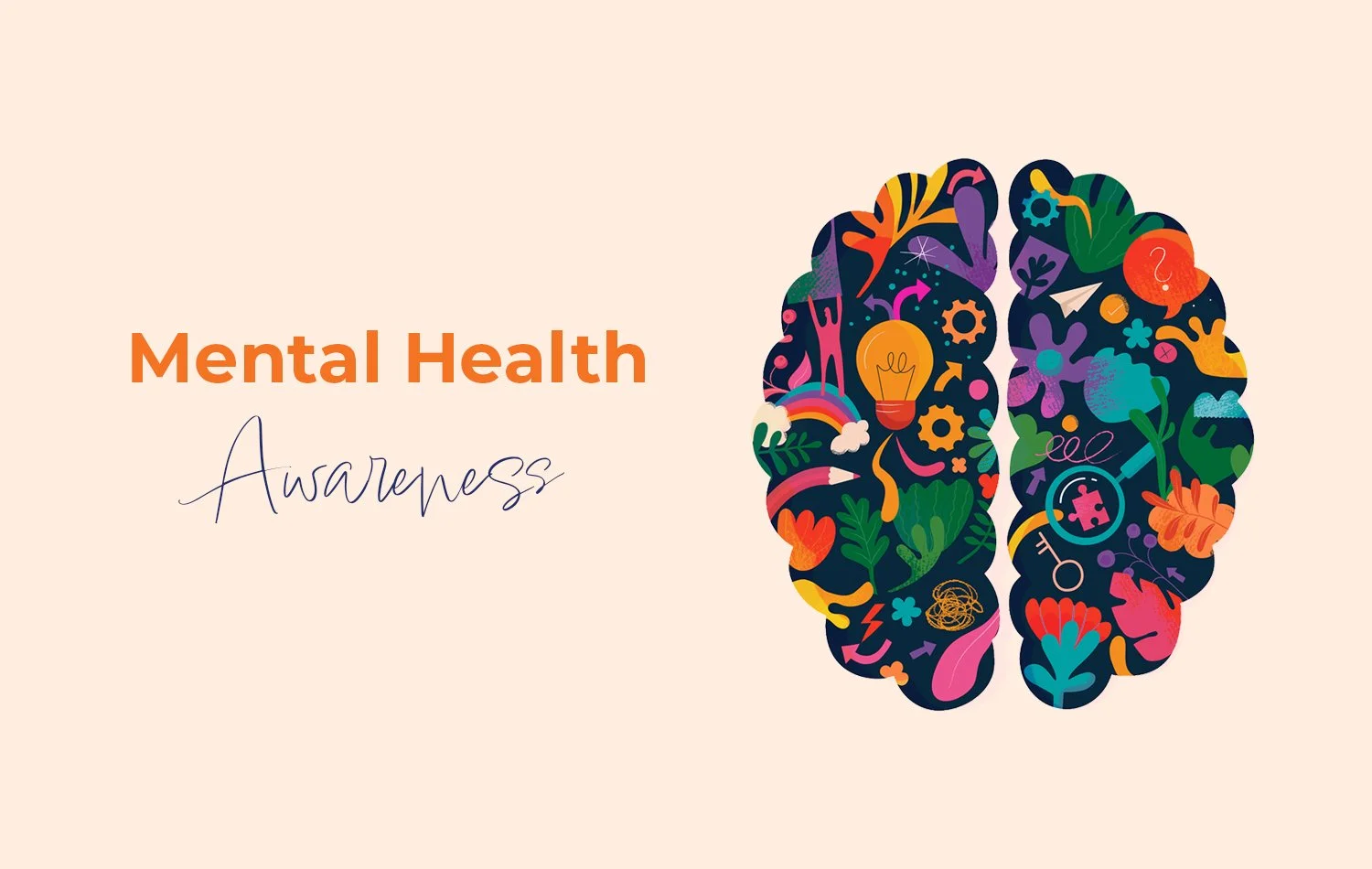
It’s important to challenge the stigma surrounding mental health issues in those with chronic conditions. Misconceptions can prevent individuals from seeking help or sharing their struggles with loved ones. Open conversations about mental health can normalize these experiences and encourage individuals to access the care they need. Building strong connections through family, friends, or support groups can also help mitigate feelings of loneliness and provide a sense of belonging.
Managing mental health alongside a chronic condition requires a multifaceted approach. Here are some strategies to consider:
1. Build a Support Network: Surround yourself with people who validate your experiences. Support groups—whether for autoimmune diseases, PIDs, bleeding disorders, or IBD—can offer camaraderie and shared understanding.
2. Seek Professional Help: Therapists specializing in chronic illness can provide tailored coping strategies. Online tools like Psychology Today can help match you with the right professional.
3. Practice Self-Care: Engage in activities that promote relaxation and well-being. Mindfulness practices such as meditation or yoga can reduce stress levels and improve emotional resilience.
4. Educate Yourself: Understanding your condition empowers you to make informed decisions about your care and communicate effectively with healthcare providers.
5. Advocate for Integrated Care: Encourage your healthcare team to address both physical and mental health needs. Comprehensive care models that include mental health support are crucial for improving overall quality of life.
Healthcare providers play a pivotal role in addressing the mental health needs of patients with chronic conditions. Proactive outreach can help bridge gaps in care by encouraging patients to discuss their emotional well-being openly. Additionally, providers should be equipped with tools to screen for depression and anxiety and offer referrals to mental health professionals when needed.
Mental health awareness is not just about recognizing challenges—it’s also about celebrating resilience. Many individuals living with chronic conditions find strength in their journeys by connecting with others who share similar experiences or by advocating for better care systems.
Let us commit to fostering understanding, building supportive communities, and advocating for comprehensive care for all individuals living with chronic conditions. Together, we can create a world where mental health is valued as an integral part of overall well-being.
As an independent specialty infusion pharmacy, we provide injected and infused medications not typically found at your neighborhood pharmacy. These medications are costly, involve unique shipping + handling, and require patients to receive training or home nursing support to safely administer the medication at home.
Because of the high level of care required to handle these complex infused or injected medications and the conditions they treat, we support our patients at every step. From prescription intake and insurance clearance, through medication delivery, training, and beyond, we are committed to our patients’ success.
Every day, in every interaction, we are dedicated to making a difference in people’s lives.
DISCLAIMER: THIS IS NOT MEDICAL OR LEGAL ADVICE. All information, content, and material is for informational purposes only and is not intended to serve as a substitute for the consultation, diagnosis, and/or medical treatment of a qualified physician or healthcare provider or as legal advice. Please consult a physician or other health care professional for your specific health care and/or medical needs or concerns and never disregard professional medical advice or delay in seeking it because of something you have read here or on our website.
References and Further Reading
(n.d.). Why chronic illness and depression often go hand in hand. Psychiatrist.com. https://www.psychiatrist.com/news/why-chronic-illness-and-depression-often-go-hand-in-hand/
Manusama, O., Jansen, A., van der Spek, P. J., & Hoepelman, A. I. M. (2021). Psychological symptoms in adult patients with primary immunodeficiency diseases. Journal of Clinical Immunology, 41(6), 1163–1172. https://pmc.ncbi.nlm.nih.gov/articles/PMC9016014/
GoodRx. (n.d.). Mental health and autoimmune diseases. https://www.goodrx.com/health-topic/autoimmune/mental-health-autoimmune-diseases
GLHF. (n.d.). Managing bleeding disorders requires attention to mental health. https://glhf.org/managing-bleeding-disorders-requires-attention-to-mental-health/
(n.d.). Article title. Journal of Clinical Immunology, 41(6), 1163-1172. https://pmc.ncbi.nlm.nih.gov/articles/PMC8531580/
Brown University. (n.d.). The importance of mental health awareness month. https://www.brownhealth.org/be-well/importance-mental-health-awareness-month
Newport Institute. (n.d.). Chronic mental illness: Symptoms, treatment, and support. https://www.newportinstitute.com/resources/mental-health/chronic-mental-illness/
Carenet HealthCare. (n.d.). Strategies for behavioral and mental health. https://carenethealthcare.com/strategies-behavioral-and-mental-health/
Autoimmune Institute. (n.d.). Managing mental health with an autoimmune disease. https://www.autoimmuneinstitute.org/articles/managing-mental-health-with-an-autoimmune-disease
Salience Health. (n.d.). Mental health awareness month. https://saliencehealth.com/news/mental-health-awareness-month/
National Institute of Mental Health. (n.d.). Chronic illness & mental health: Recognizing and treating depression. https://www.nimh.nih.gov/health/publications/chronic-illness-mental-health
Health Central. (n.d.). PI and your mental health. https://www.healthcentral.com/condition/primary-immunodeficiency/pi-and-your-mental-health
Fenway Health. (n.d.). The importance of mental health awareness month. https://fenwayhealth.org/the-importance-of-mental-health-awareness-month/
NIH. (n.d.). Wellness at NIH. https://wellnessatnih.ors.od.nih.gov/news/Pages/May-Events.aspx
Hemophilia News Today. (n.d.). Hemophilia and mental health. https://hemophilianewstoday.com/hemophilia-and-mental-health/
Article from PMC. (n.d.). https://pmc.ncbi.nlm.nih.gov/articles/PMC8361235/
Article from PMC. (n.d.). https://pmc.ncbi.nlm.nih.gov/articles/PMC1070773/
Article from PMC. (n.d.). https://pmc.ncbi.nlm.nih.gov/articles/PMC8369283/
Article from PMC. (n.d.). https://pmc.ncbi.nlm.nih.gov/articles/PMC10899353/
Article from PMC. (n.d.). https://pmc.ncbi.nlm.nih.gov/articles/PMC10570756/
Crohn’s & Colitis Australia. (n.d.). Psychological health & IBD. https://crohnsandcolitis.org.au/living-with-crohns-colitis/lifestyle/psychological-health-ibd/
Autoimmune Association. (n.d.). Minorities, autoimmune disease and mental health. https://autoimmune.org/minorities-autoimmune-disease-and-mental-health/
HemaWare. (n.d.). Putting a spotlight on mental health and bleeding disorders. https://hemaware.org/mind-body/putting-spotlight-mental-health-and-bleeding-disorders
Autoimmune Association. (n.d.). Patient support. https://autoimmune.org/resource-center/patient-support/
IPOPI. (n.d.). Psychological support. https://www.immunodeficiencyuk.org/wp-content/uploads/2023/03/IPOPI_PsychologicalSupport.pdf
Brigham and Women’s Hospital. (n.d.). Mental health services. https://www.brighamandwomens.org/medicine/gastroenterology-hepatology-and-endoscopy/crohns-and-colitis/mental-health-services
Cleveland Clinic. (n.d.). Chronic illness. https://my.clevelandclinic.org/health/articles/4062-chronic-illness
Crohn’s and Colitis Canada. (n.d.). Cognitive and psychological therapies. https://crohnsandcolitis.ca/About-Crohn-s-Colitis/IBD-Journey/Mental-Health-and-Wellness/Cognitive-and-psychological-therapies
Mended Hearts. (n.d.). Chronic illness and mental health: 9 tips for self-care. https://mendedhearts.org/chronic-illness-and-mental-health-9-tips-for-self-care/
Mental Health Foundation. (n.d.). Mental health awareness week. https://www.mentalhealth.org.uk/our-work/public-engagement/mental-health-awareness-week
Loring Engineers. (n.d.). May is mental health awareness month. https://www.loringengineers.com/news/may-is-mental-health-awareness-month/
The National Council for Mental Wellbeing. (n.d.). Mental health awareness month. https://www.thenationalcouncil.org/mental-health-awareness-month/
Chautauqua County Government. (2025). Mental health awareness month 2025. https://chqgov.com/mental-health-awareness-month-2025
Primary Immune. (n.d.). Addressing mental health. https://primaryimmune.org/living-primary-immunodeficiency/addressing-mental-health
Hemophilia Outreach. (n.d.). Behavioral health. https://hemophiliaoutreach.org/services/behavioral-health/
Crohn’s & Colitis UK. (n.d.). Mental health and wellbeing. https://crohnsandcolitis.org.uk/info-support/information-about-crohns-and-colitis/all-information-about-crohns-and-colitis/living-with-crohns-or-colitis/mental-health-and-wellbeing
Chartspan. (n.d.). How to manage chronic mental illness with chronic care management. https://www.chartspan.com/blog/how-to-manage-chronic-mental-illness-with-chronic-care-management/
SAMHSA. (2023). It’s okay to not be okay: Tips and resources for mental health awareness month. https://www.samhsa.gov/blog/its-okay-not-be-okay-tips-resources-mental-health-awareness-month