


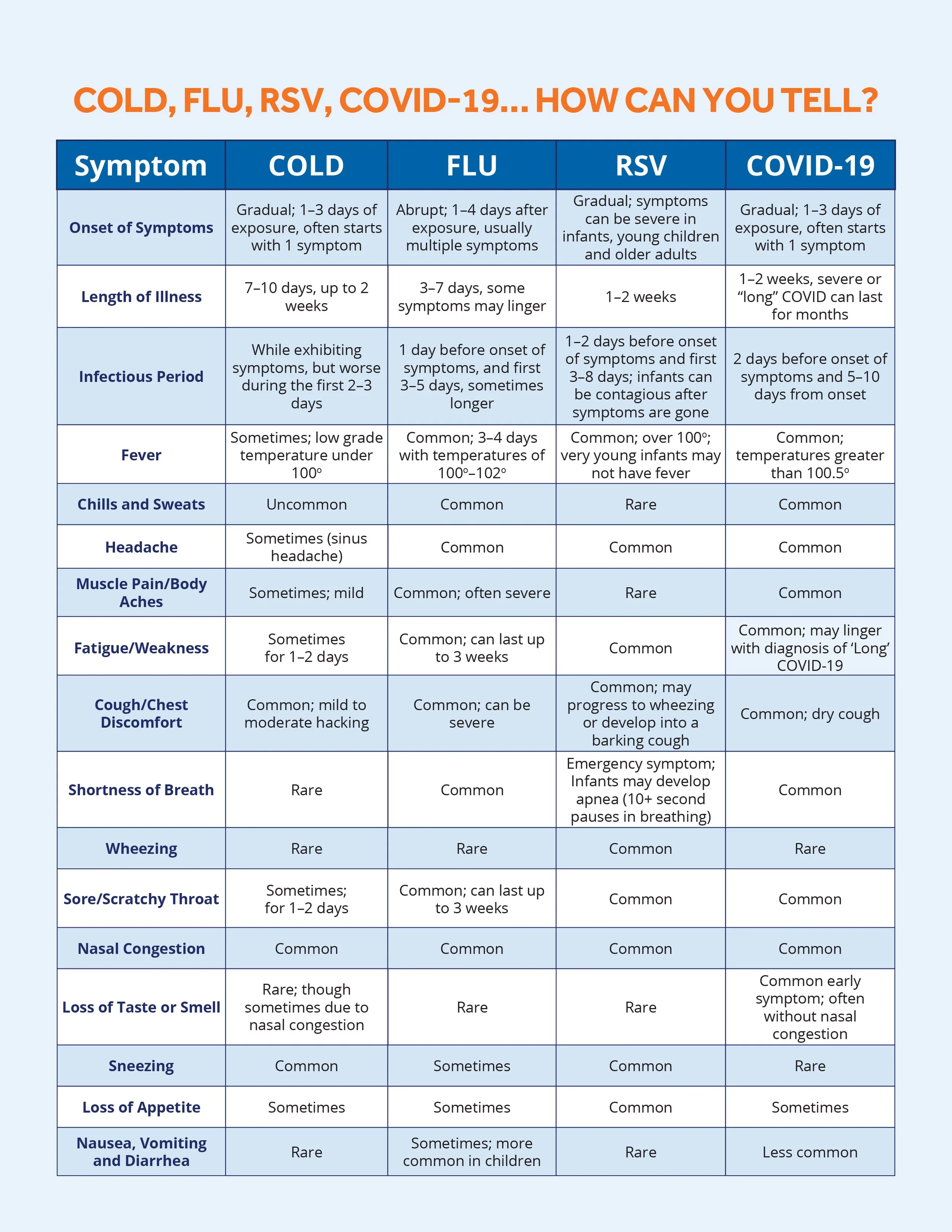
Remember these tips to avoid contracting a virus:
Keep your hands and fingers away from your eyes, nose, and mouth.
Wash your hands frequently and thoroughly – wash the palms and tops of your hands and in-between your fingers for at least 20–seconds or use alcohol-based hand sanitizer if soap and water are not available. So they wash long enough to kill the germs, teach your children to sing the ABC Song or Happy Birthday twice while they wash their hands.
Avoid sick people. Don’t share towels, bedding, dishes, glasses, or kitchen utensils.
If you’re sick, avoid crowds and public transportation, practice physical distancing, and wear a mask.
Disinfect countertops, surfaces, and handles (doors, toilet, sink, refrigerator, light switches, electronics, etc.) with germ-killing products such as Lysol® Disinfectant Spray or a bleach mixture.
Eat healthy to keep your immune system strong.
Practice a healthy lifestyle to ensure your well-being and to help prevent chronic diseases and long-term illnesses.
Take these precautions to avoid spreading a virus:
Stay home from work or school if you are sick.
Cover a sneeze or cough in the crook of your elbow or use a tissue and dispose of it in the trash.
Wash your hands often and thoroughly with soap, especially after coughing or blowing your nose. Washing helps alleviate transferring a virus to surfaces that others may come in contact with.
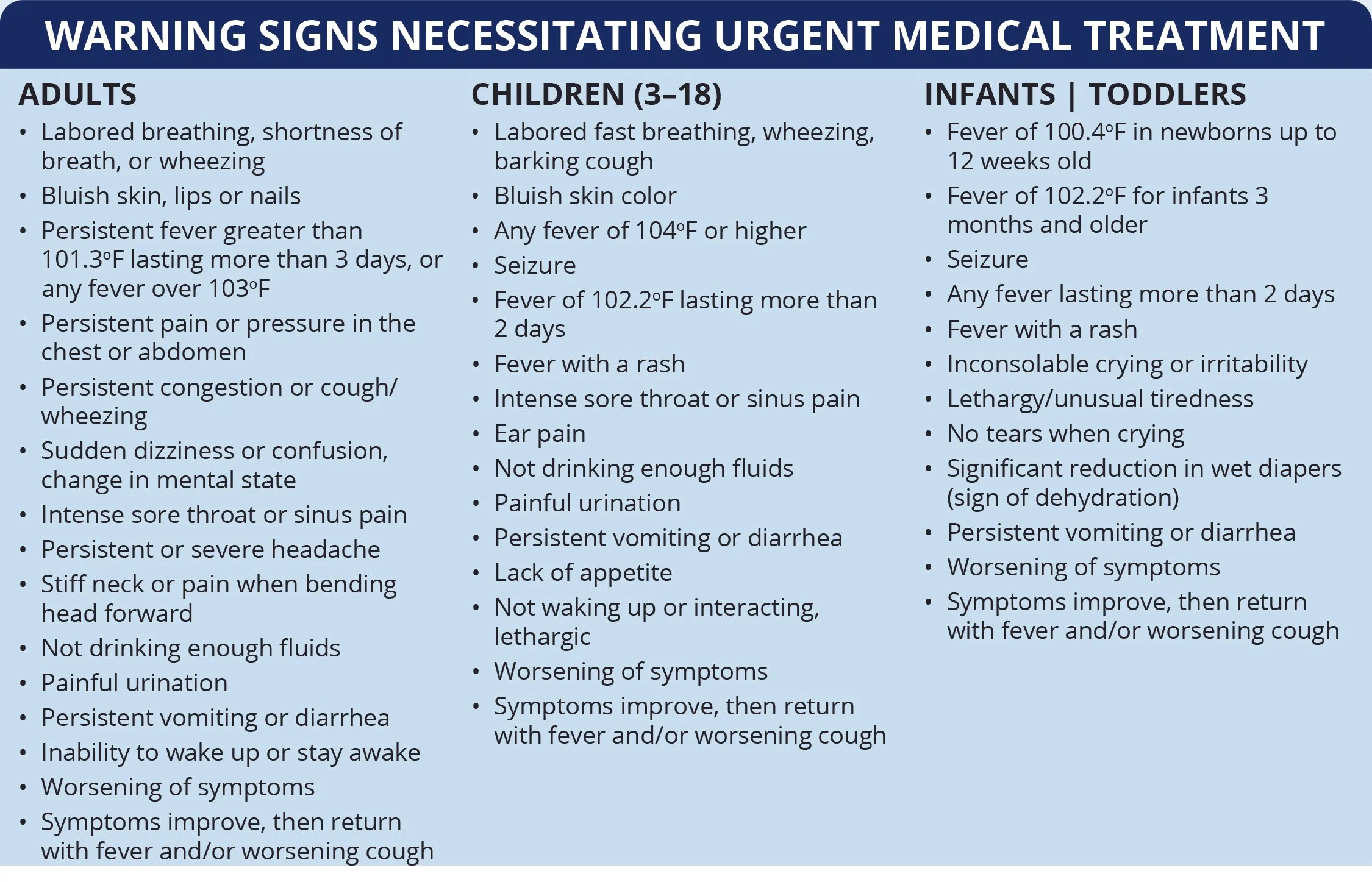
Seek healthcare for proper diagnosis, testing, and treatment prescriptions.
Wear a mask if you can’t stay home.
Helpful Tips
Many over-the-counter medications are available to treat specific symptoms of viral illnesses. Be careful with combination medications, as many contain anti-inflammatories like aspirin or ibuprofen. If you have a bleeding disorder, avoid these. If you’re uncertain, consult your doctor or pharmacist about ingredients that may cause bleeding. Before giving a child an over-the-counter cold medication, consult their doctor first, as many contain ingredients not suitable for children.
Get plenty of rest.
Drink lots of fluids, but limit caffeine. Watch children and the elderly for signs of dehydration.
Treat fever and body aches with over-the-counter medicine, but only non-aspirin for those with a bleeding disorder and no aspirin for children and teens under 19. Check all over-the-counter medication for ingredients that may affect blood clotting.
Ease a cough or sore throat with lozenges.
To ease congestion, warm and cool mist vaporizers are equally effective. In homes with small children, a cool-mist vaporizer is safer to avoid accidental burns. Wipe down vaporizers daily with a solution of 9 parts water and 1 part bleach to prevent the growth of bacteria and mold. Some people may benefit from saline nasal rinses, and sleeping with your head elevated may help.
Chicken soup really does help! Some scientists believe it has anti-inflammatory properties, and the warmth can soothe an uncomfortable throat and break up sinus congestion.
Securing access to prescribed therapy, resolving insurance issues, and dealing with medically-related financial burdens represent some of the health system challenges faced by members of the bleeding disorders community. Our Patient Navigation Program is here to help!
DISCLAIMER: THIS IS NOT MEDICAL OR LEGAL ADVICE. All information, content, and material is for informational purposes only and is not intended to serve as a substitute for the consultation, diagnosis, and/or medical treatment of a qualified physician or healthcare provider or as legal advice. Please consult a physician or other health care professional for your specific health care and/or medical needs or concerns and never disregard professional medical advice or delay in seeking it because of something you have read here or on our website.
References
“MASAC Document 278 – MASAC Recommendations on Administration of Vaccines to Individuals with Bleeding Disorders: NBDF.” National Bleeding Disorders Foundation, www.bleeding.org/healthcare-professionals/guidelines-on-care/masac-documents/masac-document-278-masac-recommendations-on-administration-of-vaccines-to-individuals-with-bleeding-disorders. Accessed 10 Sept. 2024.
“Reye’s Syndrome.” Mayo Clinic, Mayo Foundation for Medical Education and Research, 30 July 2024, www.mayoclinic.org/diseases-conditions/reyes-syndrome/symptoms-causes/syc-20377255.
“Who Needs a Flu Vaccine.” Centers for Disease Control and Prevention, Centers for Disease Control and Prevention, 21 Mar. 2024, www.cdc.gov/flu/prevent/vaccinations.htm.
“RSV in Infants and Young Children.” Centers for Disease Control and Prevention, Centers for Disease Control and Prevention, www.cdc.gov/rsv/infants-young-children/index.html#:~:text=Each%20year%20in%20the%20United,Premature%20infants. Accessed 10 Sept. 2024.
“RSV in Adults.” Centers for Disease Control and Prevention, Centers for Disease Control and Prevention, www.cdc.gov/rsv/older-adults/index.html. Accessed 10 Sept. 2024.
Mericliler, Meric, and Gayatri Narayan. “Outcomes of COVID-19 in Adult Males with Hemophilia a: A Propensity Score-Matched Analysis.” Cureus, U.S. National Library of Medicine, 25 Oct. 2022, www.ncbi.nlm.nih.gov/pmc/articles/PMC9685584/#:~:text=the%20mortality%20of%20individuals%20with,risks%20of%20hospitalization%20and%20bleeding.
“Staying up to Date with COVID-19 Vaccines.” Centers for Disease Control and Prevention, Centers for Disease Control and Prevention, www.cdc.gov/covid/vaccines/stay-up-to-date.html?s_cid=SEM.GA%3APAI%3ARG_AO_GA_TM_A18_C-CVD-Parents-Brd%3A6+month+covid+vaccine%3ASEM00014&utm_id=SEM.GA%3APAI%3ARG_AO_GA_TM_A18_C-CVD-Parents-Brd%3A6+month+covid+vaccine%3ASEM00014&gad_source=1. Accessed 10 Sept. 2024.